
Creating Cleaner, Healthier Living Environments in Build-to-Rent and Student Accommodation
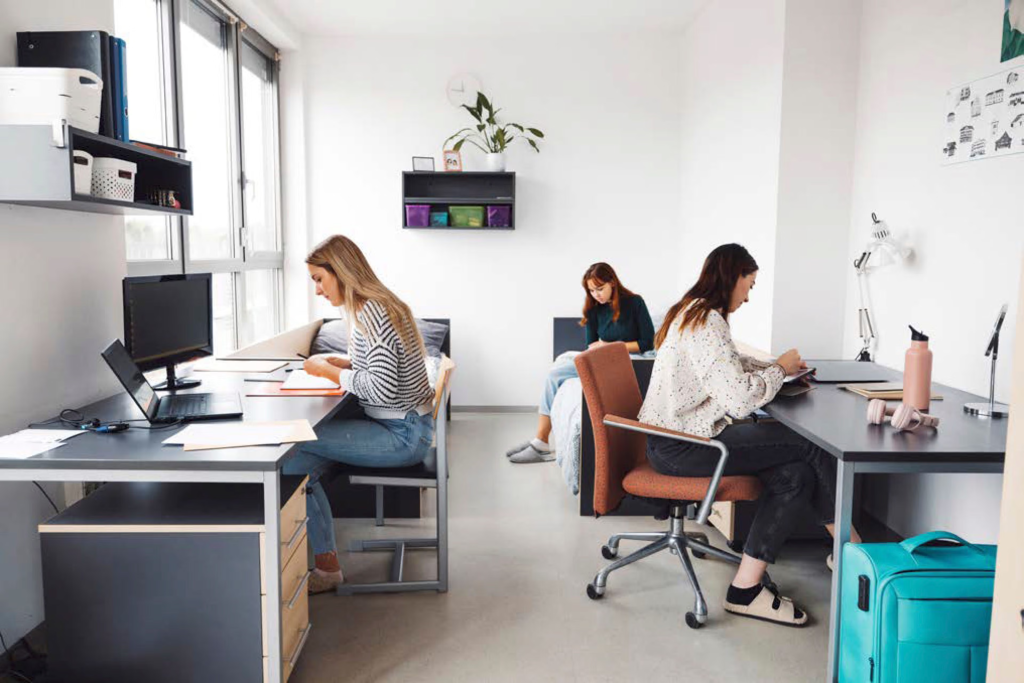
Australia’s residential property sector is evolving, with build-to-rent developments and purpose-built student accommodation becoming increasingly important parts of the housing landscape. These properties offer residents convenient, professionally managed living environments, but they also present unique operational challenges. Shared kitchens, lifts, corridors, gyms, study areas and communal lounges all require consistent attention to remain clean, safe and welcoming.
For property owners and operators, cleaning is more than a routine maintenance task. It contributes to resident satisfaction, protects shared assets and helps maintain the overall presentation of a building. A well-planned cleaning programme can also support property value by reducing the accumulation of dirt, identifying maintenance issues early and creating a positive first impression for prospective residents.
1. Why Cleaning Matters in Modern Residential Developments
Build-to-rent properties and student accommodation typically have a high level of interaction between residents and shared facilities. Unlike individual homes, these environments depend on coordinated maintenance to keep communal spaces hygienic and functional.
A poorly maintained foyer, stained carpet or untidy communal kitchen can affect how residents perceive the entire property. Visitors may also form an impression of the building based on its cleanliness before they have seen an apartment.
Regular cleaning helps address these concerns by keeping high-use areas presentable and reducing the build-up of dust, grime and everyday waste. It can also help preserve flooring, fixtures, furniture and other finishes that are costly to replace.
However, effective cleaning requires more than a fixed schedule. Property managers need a programme that reflects occupancy levels, building layout, seasonal conditions and the specific activities taking place in shared spaces. A busy communal kitchen, for example, may need more frequent attention than a lightly used meeting room.
2. Understanding Build-to-Rent Facilities Management
Build-to-rent developments are designed to provide professionally managed rental housing, often with shared amenities and on-site services. Their operational requirements can differ from those of traditional residential buildings because the owner or operator generally retains responsibility for the overall resident experience and ongoing property management.
Effective build to rent facilities management brings together cleaning, maintenance coordination, building presentation and other essential services to support a well-run residential environment.
Cleaning forms an important part of this approach. Typical responsibilities may include:
- Maintaining foyers, reception areas and lift interiors.
- Cleaning corridors, stairwells and other shared circulation spaces.
- Keeping gyms, lounges and communal kitchens hygienic.
- Managing waste areas and monitoring visible spills.
- Cleaning glass, touchpoints and frequently used fixtures.
- Reporting damage, leaks or maintenance concerns observed during routine work.
A coordinated approach helps property teams understand what has been completed and which issues require follow-up. Clearly defined responsibilities also reduce the risk of tasks being overlooked between cleaning teams, building management and maintenance contractors.
For larger developments, service plans should account for different zones, access requirements and operating hours. This allows cleaning activities to take place with minimal disruption to residents.
3. Meeting the Specific Needs of Student Accommodation
Student accommodation presents a different set of operational considerations. Occupancy patterns can change throughout the academic year, communal facilities may experience intensive use, and residents often have varied schedules.
Shared kitchens, bathrooms, laundry rooms, study areas and recreation spaces need particular attention because they can become untidy quickly. During move-in and move-out periods, additional cleaning may also be required to prepare rooms and communal areas for incoming residents.
Professional student accommodation cleaning should therefore be tailored to the property’s layout, occupancy and service expectations.
A practical programme may include:
- Daily cleaning: High-traffic entrances, shared bathrooms, kitchens and frequently used communal spaces.
- Scheduled periodic cleaning: Detailed attention to floors, internal glass, fixtures and areas that require less frequent treatment.
- Turnover cleaning: Cleaning rooms and designated spaces between occupants, according to the agreed scope.
- Responsive cleaning: Addressing spills, unexpected mess and other issues that cannot wait until the next scheduled visit.
Communication is equally important. Students need clear information about access restrictions, cleaning times and their responsibilities for shared spaces. Property managers should also provide a straightforward way to report concerns.
When expectations are clear and services are consistent, cleaning becomes part of a better-managed living environment rather than a recurring source of complaints.
4. Designing a Cleaning Schedule Around Real Usage
A standard cleaning checklist can provide a useful starting point, but the most effective programme reflects how a building is actually used.
For example, a residential tower with a busy gym and shared workspaces may need more frequent cleaning of those amenities than a development with fewer communal facilities. A student residence may experience increased demand around examinations, semester changes and major university events.
Property managers can begin by dividing the building into zones and assessing each area’s:
- Daily foot traffic and occupancy.
- Hygiene requirements and likely sources of contamination.
- Surface types and appropriate cleaning methods.
- Access restrictions and resident activity patterns.
- Required cleaning frequency and inspection process.
This assessment helps establish realistic service levels. It also allows managers to prioritise high-use areas without neglecting less visible spaces.
Cleaning schedules should be reviewed periodically, particularly when occupancy changes or new facilities are introduced. Feedback from residents, building staff and cleaners can reveal where the existing programme needs adjustment.
Importantly, quality should be assessed through observable outcomes rather than hours worked alone. Inspection records, completed task lists and documented follow-up actions can provide a clearer picture of whether agreed standards are being maintained.
5. Supporting Hygiene, Safety and Environmental Responsibility
Residential cleaning must balance effective hygiene practices with the safety of residents, workers and visitors. Appropriate procedures include using products according to their labels, following safe dilution instructions, providing suitable protective equipment and managing wet floors to minimise slip risks.
In Australia, cleaning businesses and property operators should consider their applicable work health and safety obligations, relevant state or territory requirements, and the responsibilities established by their contracts. Safe Work Australia guidance can help businesses understand general workplace safety principles, while specific legal duties depend on the jurisdiction and circumstances.
Environmental responsibility is another important consideration. Where suitable for the task, cleaning teams can use products with appropriate environmental credentials, manage chemical quantities carefully and adopt methods that reduce unnecessary water and product use.
Responsible practices may also include separating waste where facilities permit, using reusable cleaning materials appropriately and selecting equipment suited to the surfaces being maintained.
Environmental claims should be supported by evidence. A product or process should not be described as environmentally friendly merely because it is marketed that way. Product information, safety data and the actual requirements of the cleaning task should guide purchasing decisions.
6. Choosing Professional Cleaning Contractors in Sydney
Sydney property managers face a wide range of operational demands, from high-rise residential buildings to mixed-use developments and purpose-built student residences. Choosing a suitable cleaning contractor requires careful consideration of service capability, communication and quality assurance.
When assessing cleaning contractors Sydney, property owners and managers should look beyond the initial quotation and consider how the proposed service will work in practice.
Useful questions include:
- Does the contractor understand the building’s layout, occupancy and access requirements?
- Is the scope of work clearly documented, including cleaning frequencies and exclusions?
- Are staff appropriately trained for their assigned tasks?
- Are safe work procedures and suitable chemical-handling practices in place?
- How are inspections, complaints and corrective actions recorded?
- Is there a clear process for reporting urgent issues or arranging additional services?
- Can the contractor accommodate changing requirements without compromising agreed standards?
A site assessment is particularly valuable. It allows the contractor to understand the property’s surfaces, facilities, traffic patterns and practical constraints before recommending a service schedule.
Property managers should also establish communication channels and reporting expectations from the outset. Clear records make it easier to review performance, resolve concerns and maintain accountability over time.
7. Turning Consistent Cleaning into Long-Term Property Value
A clean building supports more than visual appeal. Consistent care can help protect finishes, improve the resident experience and reinforce confidence in the property’s management.
For build-to-rent operators, a well-maintained environment can contribute to resident satisfaction and support retention efforts. For student accommodation providers, reliable cleaning helps create shared spaces that students can use comfortably throughout the academic year.
The benefits are most likely to emerge when cleaning is treated as an ongoing operational function rather than an occasional corrective exercise. Regular inspections, documented standards, responsive communication and periodic service reviews all help maintain consistency.
Havencab provides cleaning services for commercial and residential property environments, including build-to-rent developments, student accommodation and properties in Sydney. Property owners and managers considering a new cleaning arrangement should begin with a clear assessment of their building’s needs, priorities and service expectations.
Looking for a professional cleaning solution for your property? Contact Havencab to discuss your requirements and explore a cleaning programme designed around your building, residents and operational goals. A tailored approach can help maintain cleaner shared spaces, support a positive resident experience and protect the long-term presentation of your property.